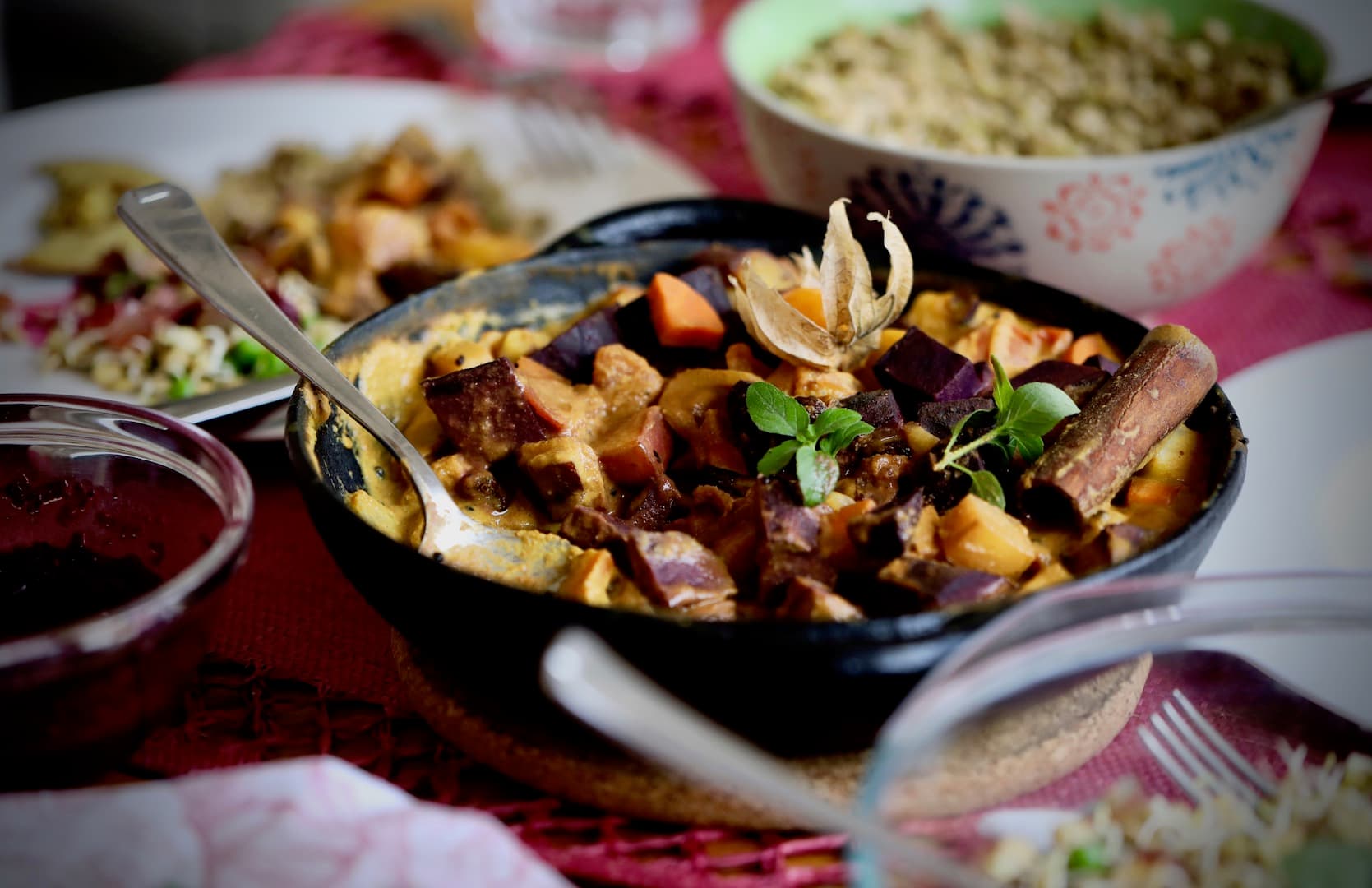
Dada asked me, "Are we going to have lunch?" We will go out for lunch without any fuss. Then Dada replied, "It will be a pleasure to prepare lunch for us." A re
Symptoms An incessant urge to urinate, a burning sensation in the urinary tract, persistent thirst, and a sweet taste in the mouth, along with the attraction of
Symptoms: Repeated need to defecate but small movement, urge to strain while defecating, pain in the navel region, etc. Causes: Undigested half-cooked or un
Symptoms: Difficulty in breathing, caused partly by Kapha and partly by váyu, is the symptom of this disease. The attack is usually felt towards the end of
Half Bath – Vya’pak Shaoca or thorough cleanliness helps the entire body to experience a diving reflex allowing the whole body to calm down as the metabolism s
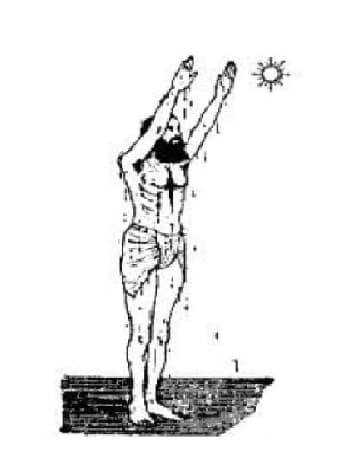
Take a full bath (Vyápaka Shaoca) before practicing ásanas. Vyápaka Shaoca must also be performed before daily meditation. However, if ásanas are combined with
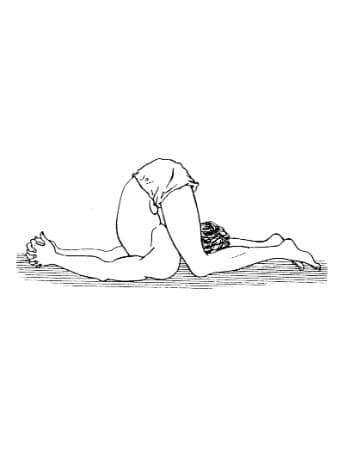
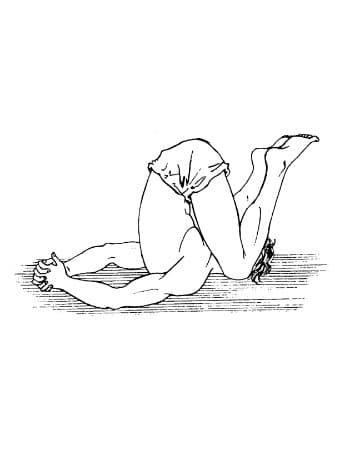
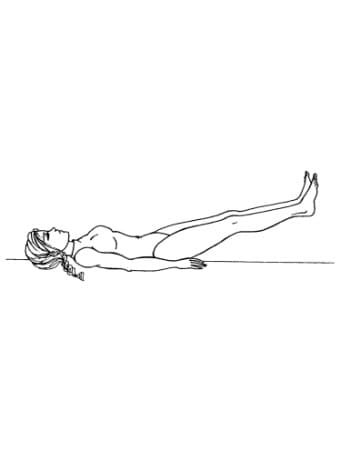
The Shivasana or the Consciousness pose is a variation of the Halasana. In fact it is a replacement for Halasana, for those who cannot do the original posture
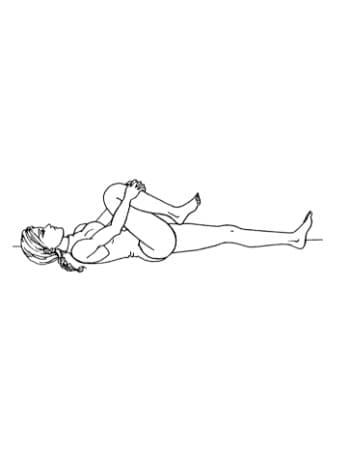
Ardhashivasana, also known as the Half Consciousness Posture , or the Half Shiva Posture is a variation of Shivasana. It has the same benefits as the Shivasana
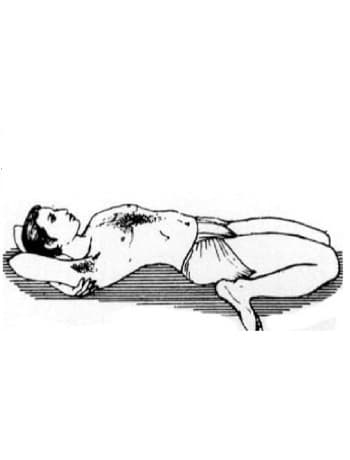
Bhastrikasana, also known as the Bellows Posture, is a stretching asana practiced in yoga. This asana stretches the limbs and the decompresses the spine. It r
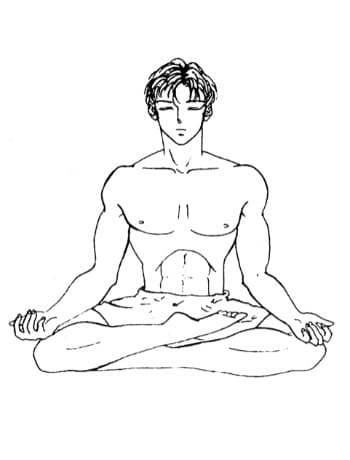
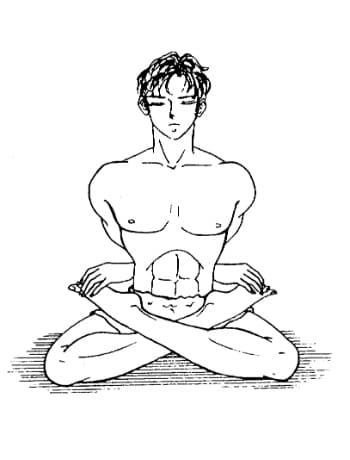
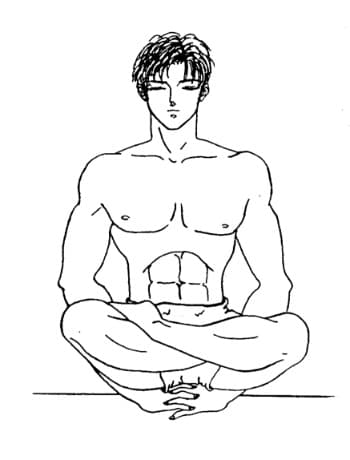
Baddha Padmasana or Bound/Locked Lotus Posture is a variation of Padmasana. It comes from the Samskrta words 'Baddha' which means locked and 'Padma' for lotus
Vajrasana, also known as Thunder or Diamond Pose, is a kneeling asana in yoga. This comes from the Samskrta 'Vajra' which was a weapon in ancient times that i
The Mayurasana, also known as the Peacock Posture is a hand-balancing asana used in yoga practice. The etymology of this word is that it comes from two Samskrt
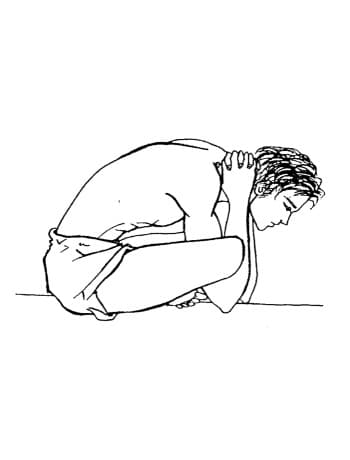
Kurmakasana or Tortoise pose is a forward bending asana done while seated. It comes from the Samskrta 'Kurma', which means turtle or tortoise, and 'Asana' whi
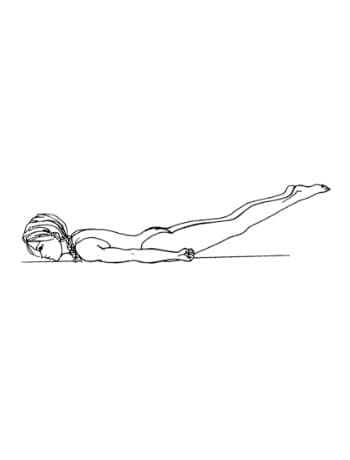
Shalabhasana or Locust Posture, also known as the Grasshopper pose, is a variety of back bending asana in yoga practice. The name is derived from the Samskrta
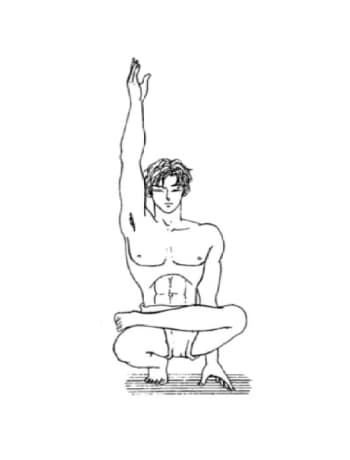
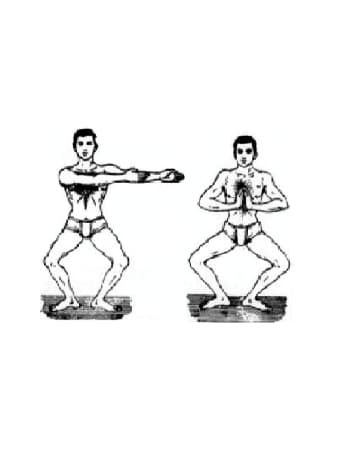
Jinanasana or the Knowledge Posture is a squatting yoga asana. This posture is perfect for stimulating mental alertness and memory. It also prepares the mind f
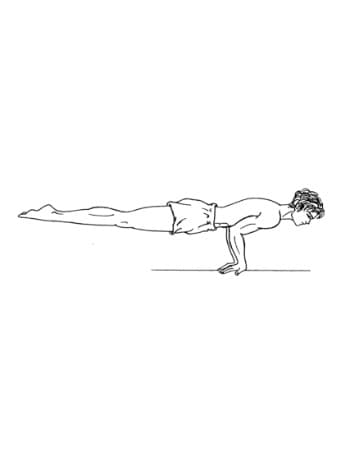
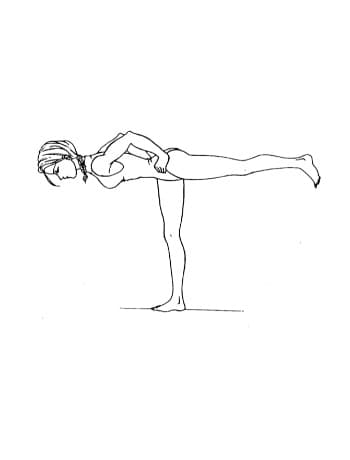
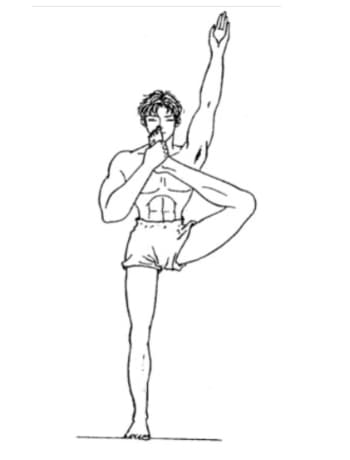
Tuladandasana, also known as the Balance pose, is an advanced yoga asana. The name is derived from the Samskrta words 'Tula', which means balance, 'Danda', whi
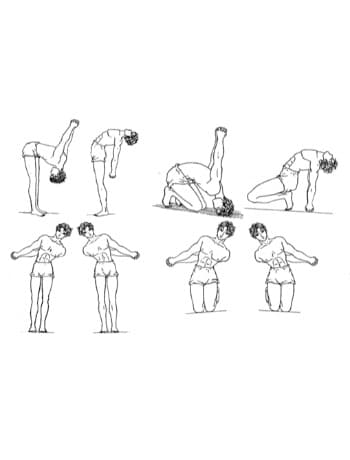
Karmasana or the Action posture is a yoga asana that consists of two parts, that involves stretching of the arms, back and side muscles. This asana activates t
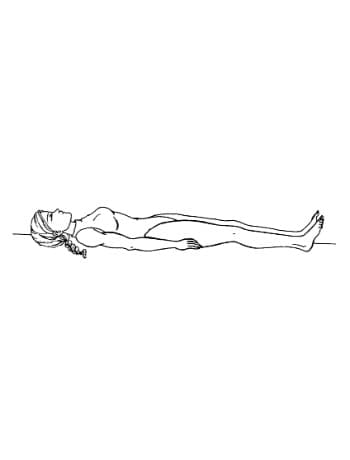
Shavasana, otherwise known as Corpse Posture is a relaxation posture practiced in yoga. It comes from the Samskrta word 'Sava' which means corpse and 'Asana' w
Ustrasana or Camel Pose is an asana practiced in Yoga. It comes from the samskrta words 'Uṣṭra' which means camel, and asana which means posture or pose. This
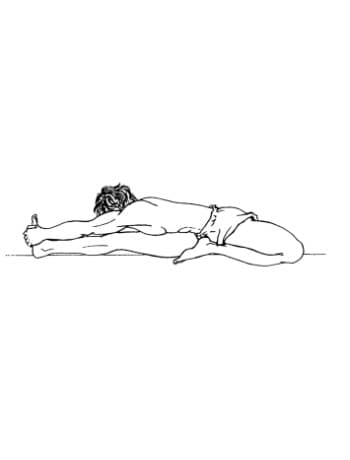
Janushirasana, also known as the Head to Knee Posture, is a forward-bending seated asana practiced in yoga. The name comes from three Samskrta words 'Janu' whi
Bhavasana or the Ideation pose comes from two Samskrta words Bhavasa which pertains to thoughts and feelings while 'Asana' means pose or posture. This pose is
The Granthimuktasana or the Knot-Loosening Pose is an asana used in Yoga exercise. 'Granthi' in Samskrta means knot or doubt, while 'mukta' means to free or re
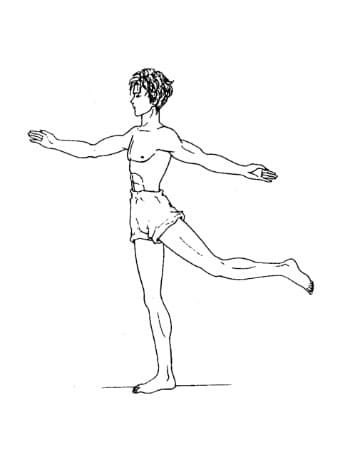
Flying Bird pose (Garudasana) is a standing balancing asana in yoga practice. It comes from the Samskrta word 'Garuda' which means "bird, or king of the birds"
Mandukasana, also known as Frog Posture is a seated asana in yoga practice. This comes from the Samskrta words 'Manduka' which means frog, and 'Asana', which m