Blog
5 Ways to Increase Nitric Oxide Naturally
Publicado em 24 de janeiro de 2025
To naturally maintain optimal levels of nitric oxide in your body.
1. Eat Vegetables High in Nitrates
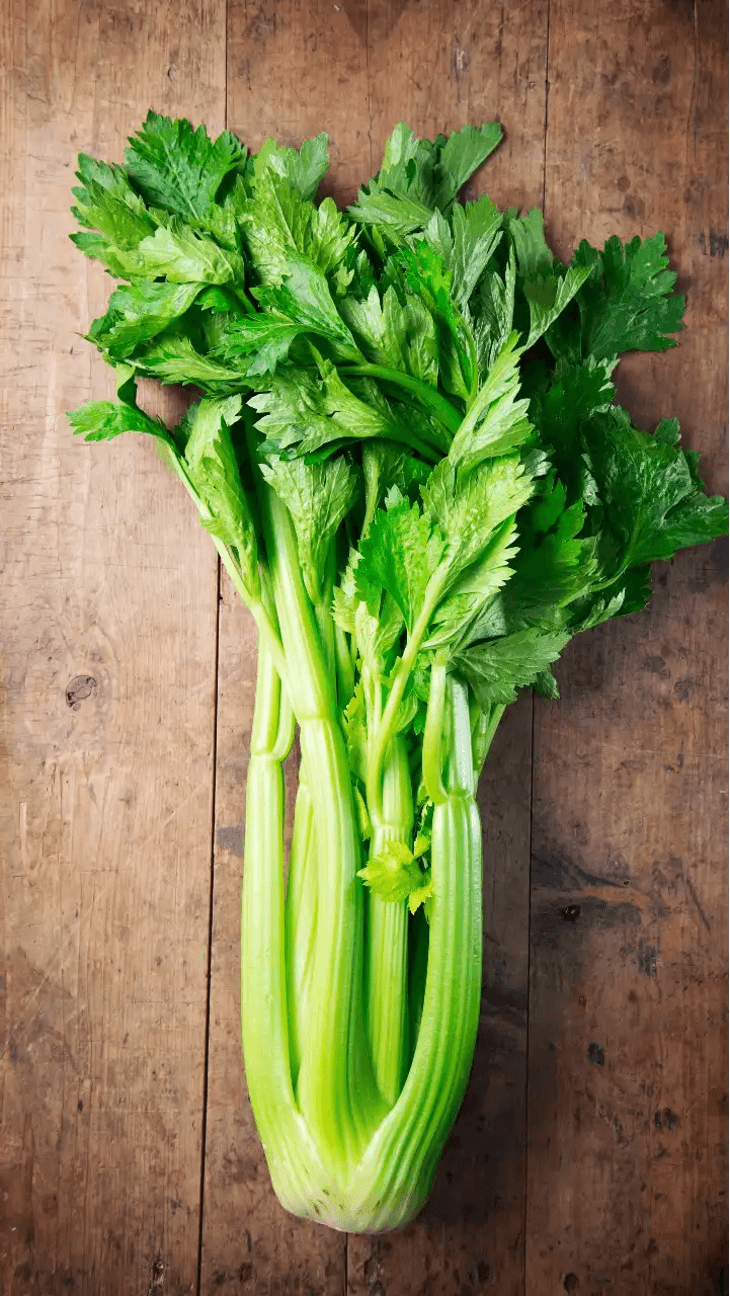
Nitrate, a compound found in certain vegetables, is one of the reasons they are healthy. Vegetables high in nitrate include: Celery, Cress, Chervil, Lettuce, Beetroot, Spinach, Arugula.
2. Increase Your Intake of Antioxidants
Nitric oxide is an unstable molecule that degrades quickly in the bloodstream, so it must be constantly replenished (16). One effective way to increase its stability and slow its breakdown is by consuming antioxidants. These molecules neutralize free radicals, which contribute to nitric oxide’s short lifespan. Antioxidants are abundant in plant-based foods such as fruits, vegetables, nuts, seeds, and grains. A few key antioxidants include:
- Vitamin C: Helps form connective tissues and produce brain chemicals that aid nerve cell communication.
- Vitamin E: Protects cells from free radicals and supports a strong immune system.
- Polyphenols: Linked to a reduced risk of cancer and cardiovascular disease.
- Glutathione: Often called “the mother of all antioxidants,” it plays a central role in detoxification.
Studies show that ingesting nitric oxide precursors, such as nitrate or citrulline, with antioxidants helps maintain higher levels of nitric oxide by reducing its breakdown. Vegetables that are high in nitrate are naturally rich in antioxidants, which may explain their effectiveness in boosting nitric oxide levels (5Trusted Source).
3. Use Nitric-Oxide-Boosting Supplements
Several dietary supplements are marketed as “nitric oxide boosters.” While they do not contain nitric oxide itself, they include ingredients that help your body produce it. Keep in mind that the Food and Drug Administration (FDA) does not regulate supplements. Common ingredients include L-arginine and L-citrulline.
L-arginine is a conditionally essential amino acid, meaning it must be consumed under certain conditions although healthy adults typically produce enough on their own. It directly produces nitric oxide through the L-arginine-NO pathway. Studies have shown benefits in increasing blood flow, particularly in individuals with high blood pressure; however, its effectiveness in healthy individuals remains mixed. L-arginine is generally safe when taken up to 30 grams per day, though digestive discomfort may occur at doses as low as 10 grams.
L-citrulline is a dispensable amino acid, meaning your body can produce sufficient amounts. When L-arginine is converted to nitric oxide, L-citrulline is produced as a byproduct and can be recycled back into L-arginine, further enhancing nitric oxide production. Studies indicate that L-citrulline may increase L-arginine levels more effectively than supplementing with L-arginine directly. It is considered safe with a low risk of side effects even at higher doses.
4. Limit Your Use of Mouthwash
Mouthwash can eliminate oral bacteria, including beneficial strains that help produce nitric oxide by converting nitrate. Research has demonstrated that mouthwash can inhibit these bacteria for up to 12 hours, potentially reducing nitric oxide production and increasing blood pressure. Overuse may even be linked to diabetes due to impaired insulin regulation. For optimal nitric oxide production, use mouthwash sparingly.
5. Get Your Blood Flowing with Exercise
Exercise boosts endothelial function—the health of the cells lining your blood vessels—which in turn improves nitric oxide production. Regular physical activity, combining aerobic exercises like walking or jogging with anaerobic training, enhances blood flow and antioxidant activity. Benefits can be seen in as little as 10 weeks with at least 30 minutes of exercise three times a week. Always consult your doctor to ensure your exercise regimen suits your health needs.
The Bottom Line
Nitric oxide is essential for overall health, acting as a vasodilator that allows blood, nutrients, and oxygen to circulate freely. When its production decreases, health can be compromised, potentially leading to conditions such as heart disease, diabetes, and more. For optimal nitric oxide levels, increase your intake of nitrate-rich vegetables and antioxidants, consider supplements like L-arginine or L-citrulline, use mouthwash sparingly, and exercise regularly for at least 30 minutes daily.