Nopal Cactus
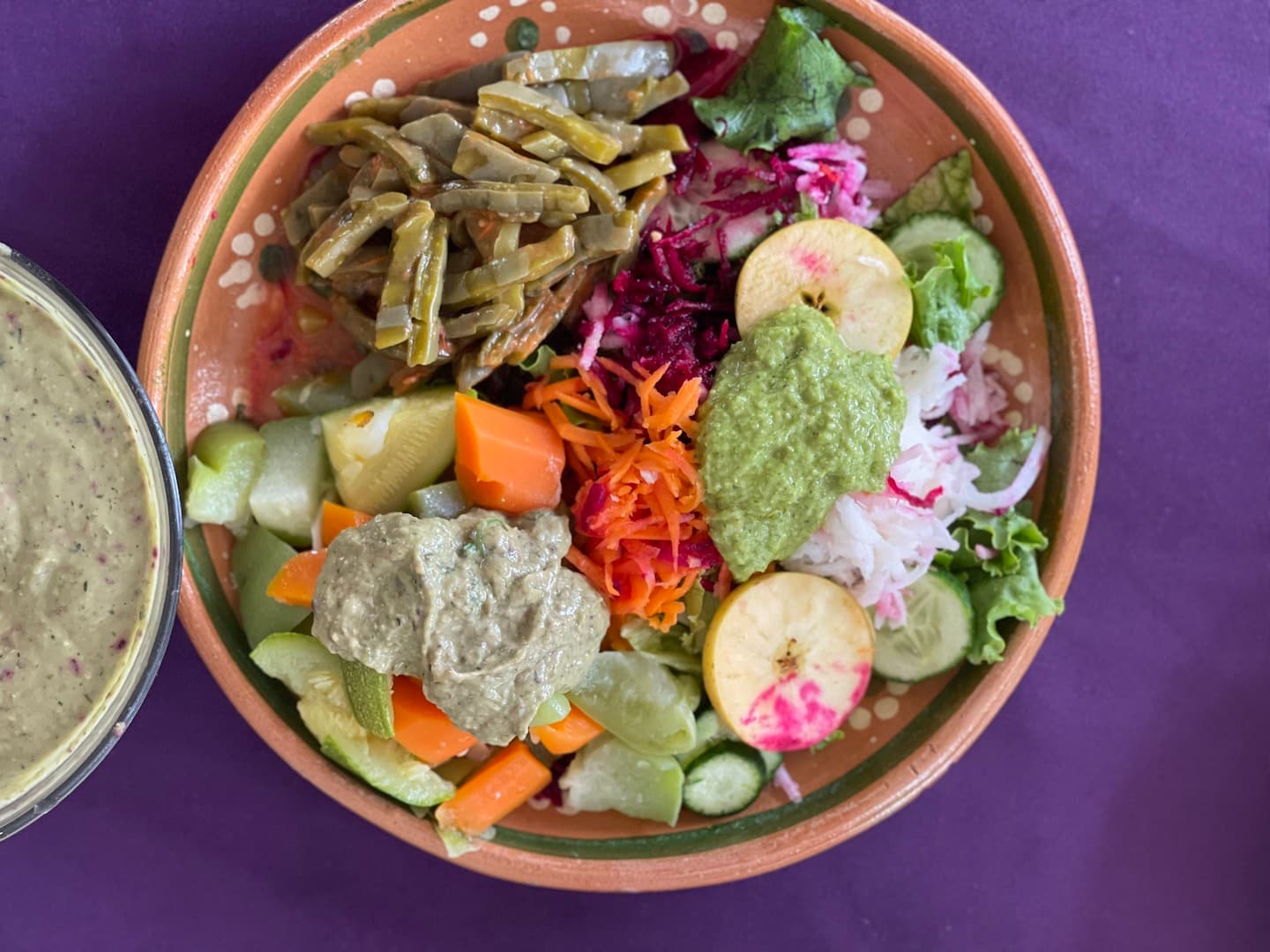
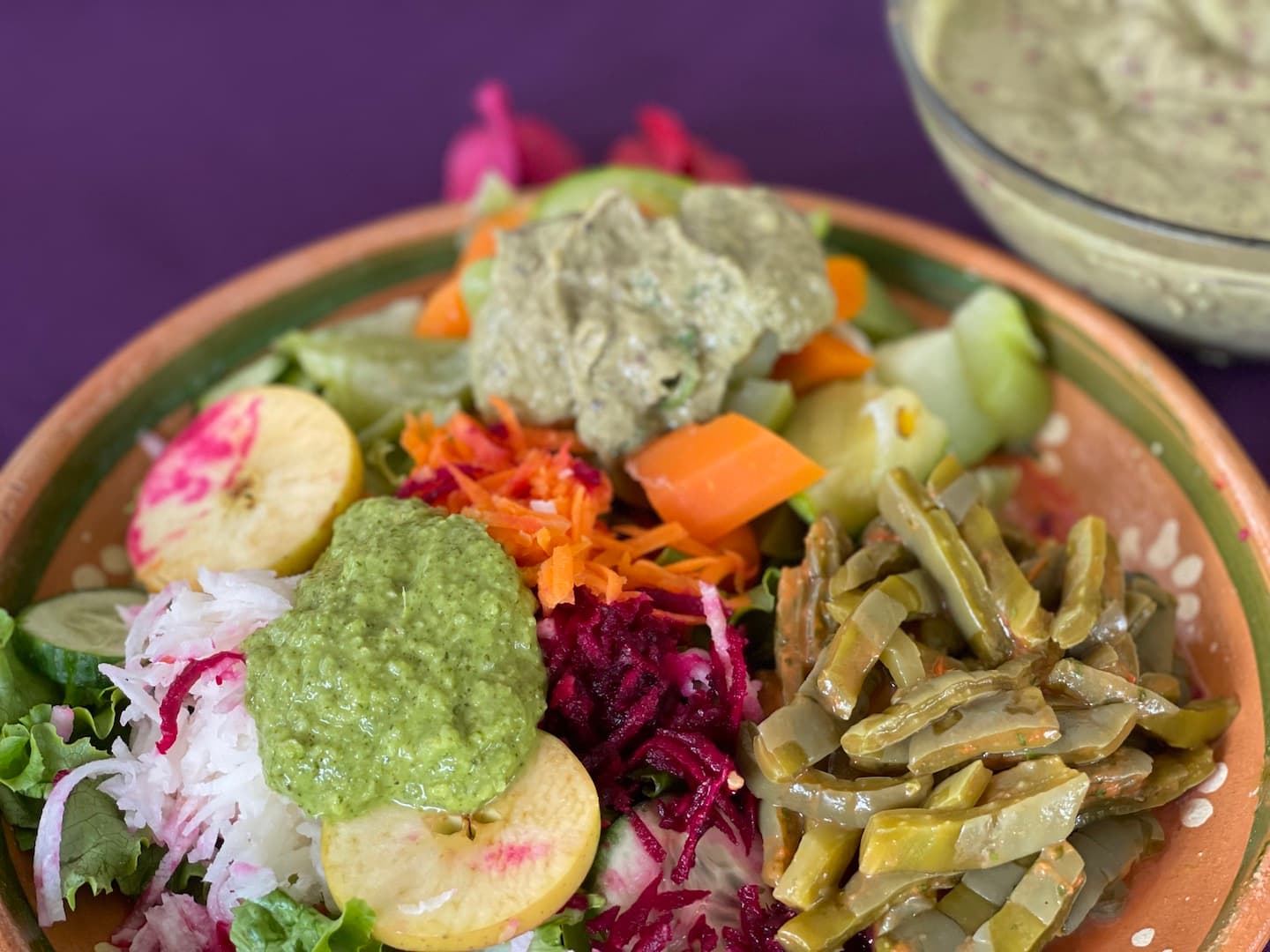
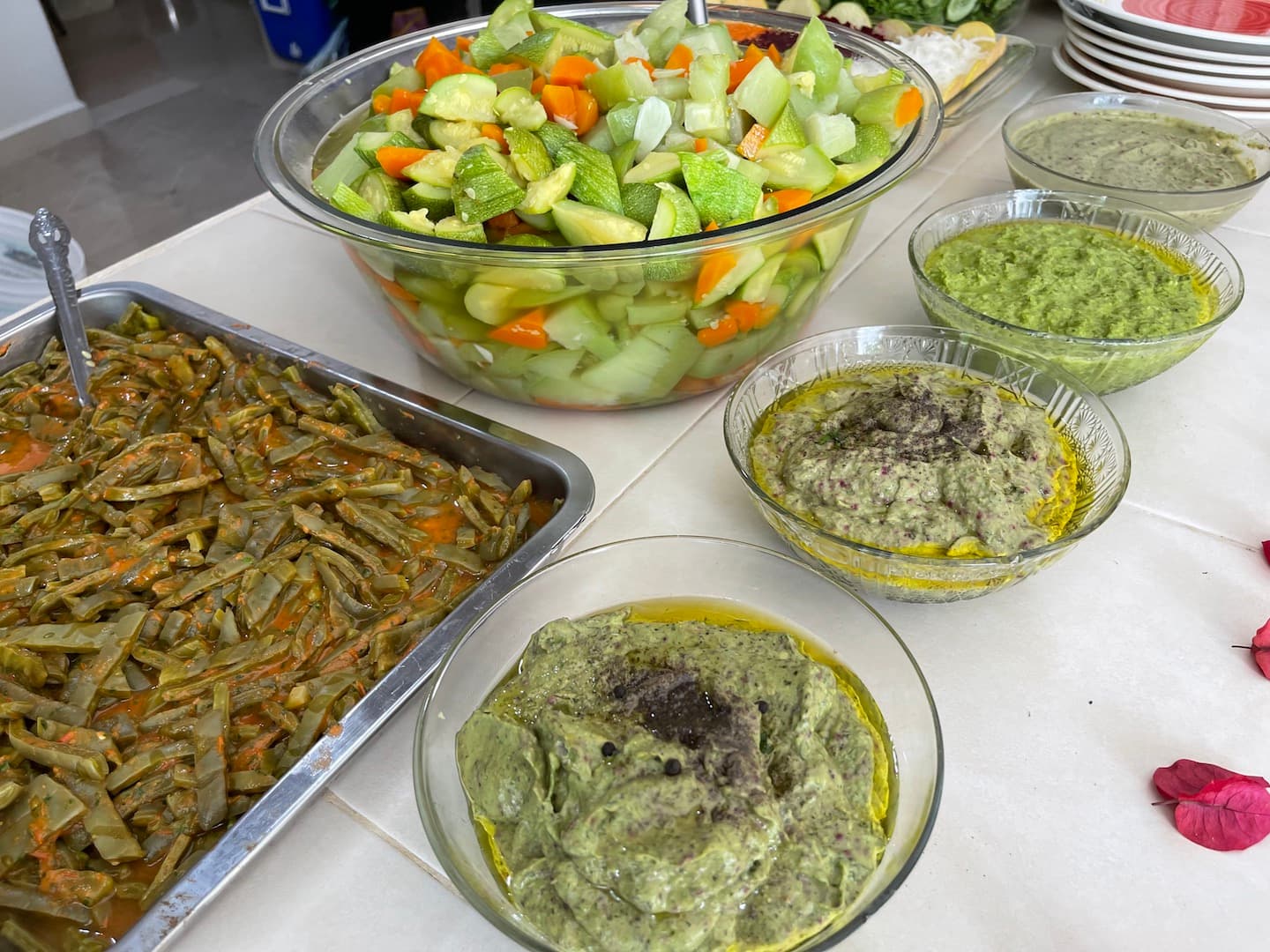
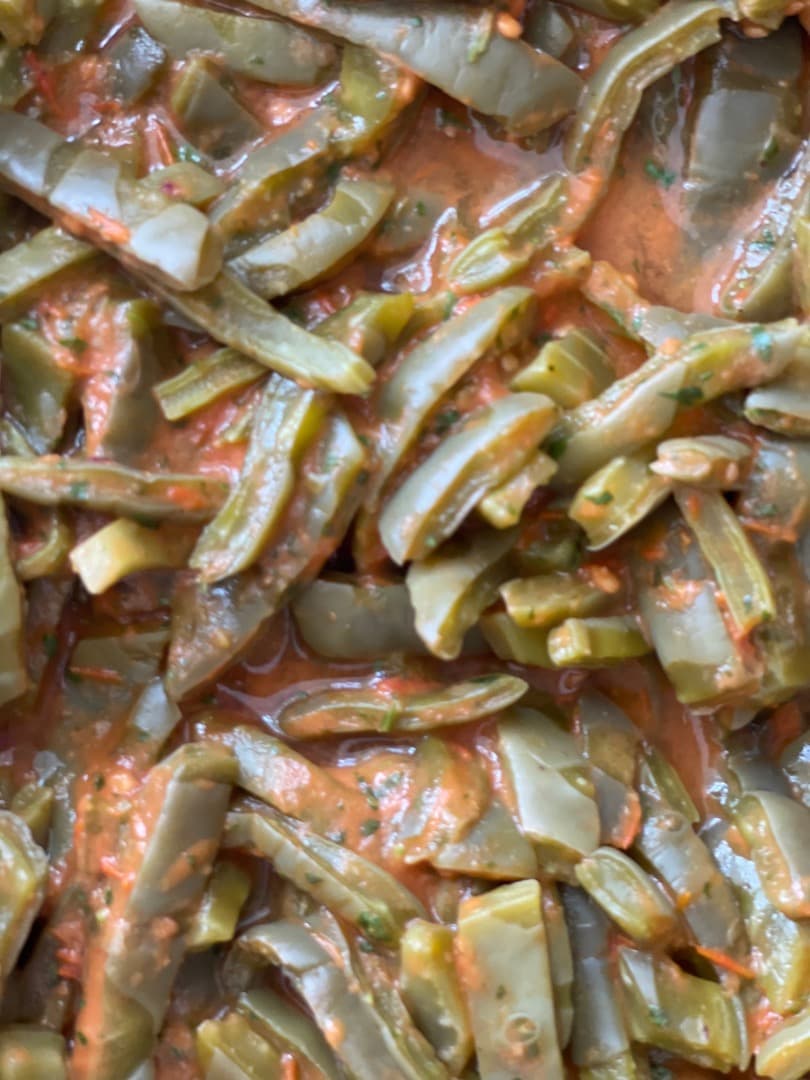
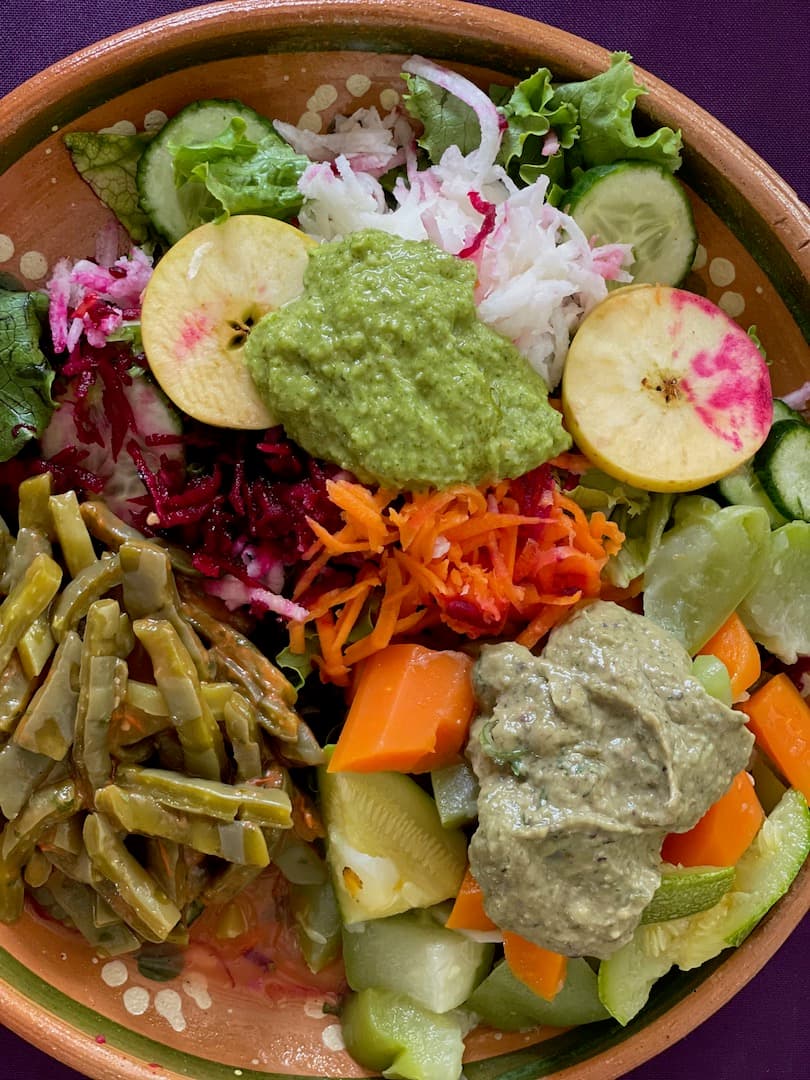
The edible nopal cactus, known as Nopales in Mexico, is traditionally used as a vegetable served with tortillas. In Mexico, it is common to make juice, jams, and even tea from these cacti. You can also enjoy the prickly pear fruit, a small, rounded, often colorful part of the nopal plant. Before a detox event in Mexico, my colleague prepared several diverse nopales dishes for lunch.
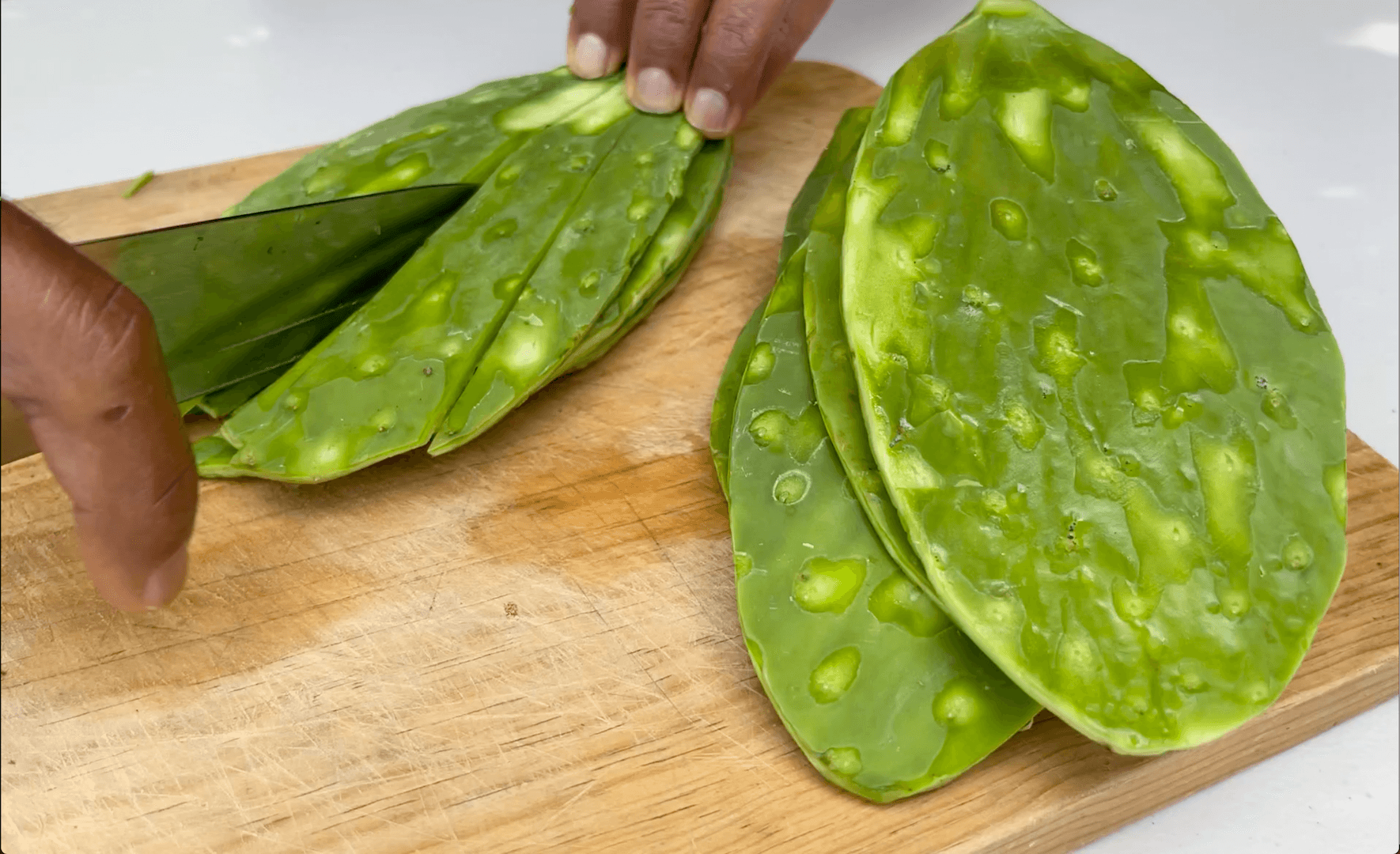
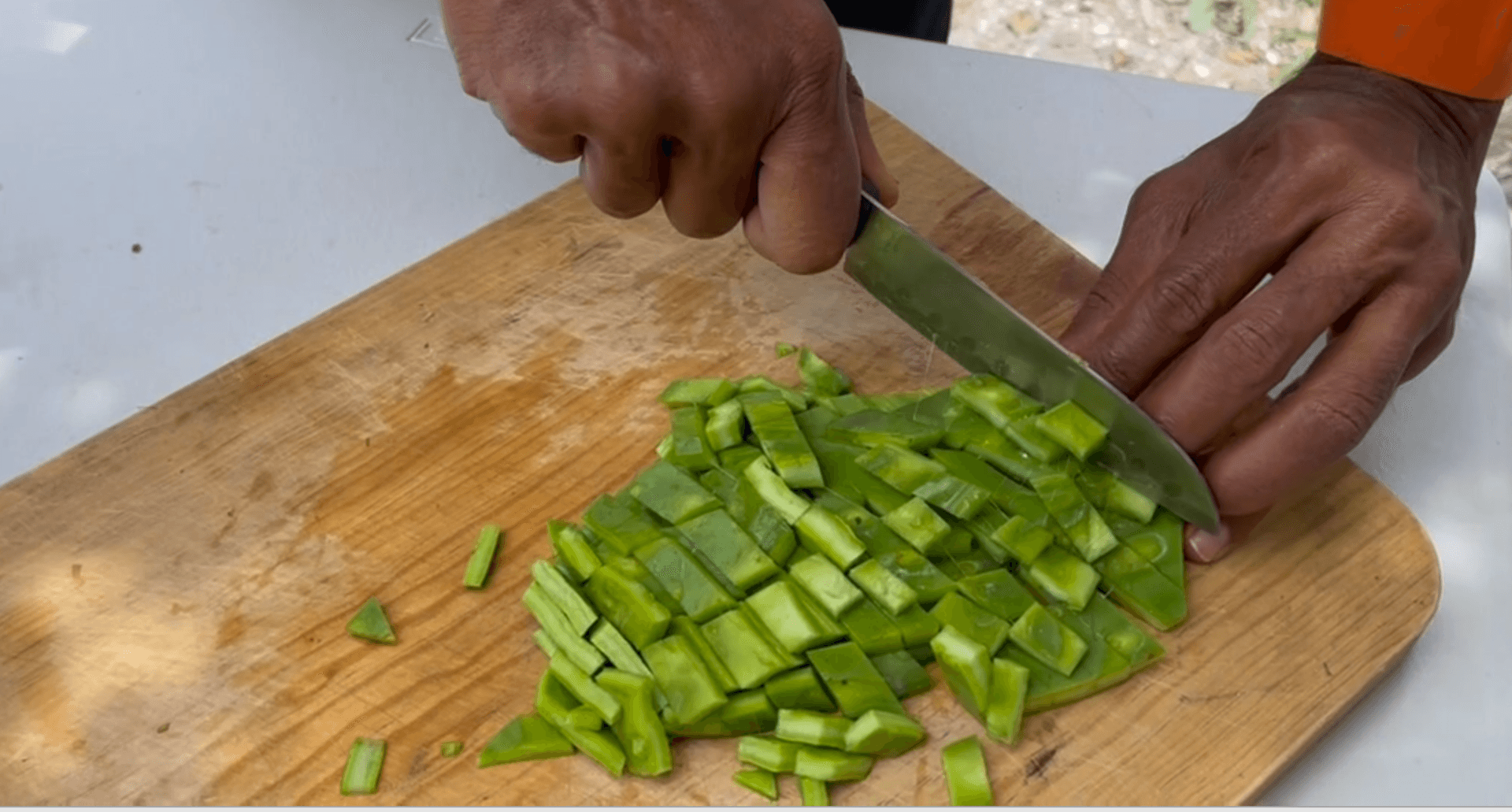
We chop the cactus pads and sauté them with a blend of spices and herbs before adding them to various dishes, filling tacos, or serving them as a side dish with tomatoes. Nopales can also be eaten raw. Mexican nopales are renowned for their health benefits, offering high antioxidant levels along with vitamins and minerals. These nopalitos, which are pad-like in shape, are a traditional dietary vegetable.
Like most fruits and vegetables, nopal cactus is readily available at grocery stores, farmers’ markets, and restaurants across the Southern USA and Mexico. Additionally, prickly pear fruit juice is gaining popularity among health-conscious consumers. Cactus plants also play a role in traditional medicine for conditions such as diabetes, as illustrated by studies on nopal's effects on type 2 diabetes.
Fresh nopal juice can lower blood sugar, heal wounds, and reduce cholesterol. The nopal plant, belonging to the Opuntia genus, is rich in antioxidants and anti-inflammatory compounds that help soothe pain, boost immune activity, and protect the liver. In Mexico, traditional medicine practitioners have used various parts of the nopal plant to treat and prevent conditions such as glaucoma, wounds, fatigue, liver issues, and ulcers.
Comentarios
Inicia sesión para dejar un comentario